

African symbolism in ornamentation carries deep, culturally rich meanings that reflect identity, beliefs, history, and status. These symbols are not just decorative—they communicate stories and values passed through generations.
Traditionally, African patterns combine shapes, colors, and motifs that each have specific interpretations. For example, a particular symbol might represent strength, unity, fertility, or protection. Understanding these meanings helps you create jewelry that is not only beautiful but also meaningful.
How Can You Incorporate African Patterns into Your Handmade Jewelry?
Using African symbolism in your DIY projects allows you to make pieces with cultural depth and unique style. You don’t need complicated tools or rare materials. Many African designs are based on geometric shapes and repetitive patterns that you can replicate with beads, cords, and simple metals.
Start by choosing symbols that resonate with you or the message you want your accessory to express. For beginners, simple motifs like zigzags, triangles, and spirals are great starting points. They’re easy to work with and visually striking.
Which Materials Are Best Suited for African-Inspired Ornamentation?
| Material | Advantages | Disadvantages | Best Used For |
|---|---|---|---|
| Wood | Lightweight, natural texture, holds carved details well | Can chip or splinter, sensitive to moisture | Carved pendants, beads, larger statement pieces |
| Beads (Glass or Clay) | Wide range of colors/styles, easy to string | Fragile if dropped (glass), clay can be heavy | Delicate bracelets, necklaces, colorful patterns |
| Metal (Brass, Copper) | Durable, shiny finish, traditional in many African designs | Requires some tools for shaping, heavier | Wirework jewelry, bold rings, earrings |
| Fabric/Thread | Flexible, colorful, easy to weave or knot | Less durable over time if worn often | Wrap bracelets, woven necklaces, tassels |
What Are the Key Techniques for Creating African-Style Handmade Jewelry?
Familiarizing yourself with simple crafting techniques is crucial. Techniques you can try include:

- Beading: Stringing beads in repeating or symbolic patterns.
- Carving: Shaping wood or bone into symbolic shapes and motifs.
- Wire Wrapping: Using malleable metal wire to form shapes or frames.
- Macramé: Knotting threads or cords to create intricate designs.
Combine techniques depending on your project’s goal and materials. For example, pairing beads with fabric wrap creates a colorful bracelet with texture.
What Are Common Mistakes When Working with African Symbolism and How to Avoid Them?
Using cultural symbols respectfully is important, especially when working with African motifs. Here are some common pitfalls and how to avoid them:
- Ignoring Symbol Meanings
Some crafters use African symbols purely for looks, without understanding their significance.
Why do this? Because it’s tempting to pick visually appealing patterns only.
Price of the mistake: Misuse can be seen as disrespectful or insensitive. This reduces the meaningfulness and might offend those familiar with the symbols. - Using Inappropriate Materials
Choosing materials that don’t suit the intended symbol or design.
Why do this? Sometimes due to budget or availability constraints.
Price of the mistake: Jewelry may look cheap or not last, leading to frustration and lost time. - Overcomplicating Designs
Trying to include too many symbols or patterns in one piece.
Why do this? Desire to showcase knowledge or make a “perfect” project.
Price of the mistake: The final product can look cluttered and lose clarity in meaning.
Which African Symbols Are Popular and What Do They Mean?
Here are a few symbols that are widely used and easy to include in jewelry designs:
- Adinkra Symbols (Ghana): Each symbol represents a concept, like Sankofa (learning from the past) or Gye Nyame (divine supremacy).
- Ndebele Patterns (South Africa): Geometric shapes that represent community and harmony.
- Zulu Beadwork Colors: Each color and pattern tells stories about love, status, or messages.
Expert advice from Amina Johnson, Jewelry Designer:
“When working with African symbolism, take the time to research the origin and meaning of each pattern. Your jewelry will be richer for it, and you’ll avoid unintentional missteps.”
How Can Beginners Start Their First African-Inspired Jewelry Project?
Begin with simple projects to build confidence. For example, create a beaded bracelet using one or two Adinkra symbols. Use materials like colored beads and elastic cord for ease.

This approach helps you get comfortable with the symbols and techniques without being overwhelmed.
What Are the Practical Tips for Designing Unique and Stylish Accessories at Home?
- Choose one symbol to focus on per piece — this keeps designs clear.
- Mix materials (wood, metal, beads) for texture and interest.
- Experiment with color patterns inspired by traditional palettes, but feel free to personalize.
- Use tutorials and simple tools you already have or can acquire cheaply.
Expert advice from Marcus Lee, Handcrafted Jewelry Specialist:
“Don’t rush your design. Sketch ideas first and play with symbols on paper. This step saves time and leads to a more intentional final piece.”
What Are the Differences Between Various African Ornamentation Styles?
| Style | Key Features | Typical Materials | Common Uses |
|---|---|---|---|
| West African Adinkra | Symbols with philosophical meanings, mostly stamped or painted | Wood, cloth, beads | Jewelry, clothing decoration, home art |
| East African Maasai | Bright bead patterns, geometric forms | Beads, leather | Necklaces, earrings, bracelets |
| South African Ndebele | Colorful, angular shapes often geometric | Paint, beads, metal | Bracelets, necklaces, wall decoration |
| North African Berber | Engraved metalwork, symbolic motifs | Silver, beads | Rings, pendants, traditional adornments |
Expert advice from Linda Okoro, Cultural Craft Expert:
“Respect the origins of patterns and focus on quality over quantity. This will help your handmade items feel authentic and valued.”
Which Simple Step-by-Step Idea Can You Try Today?
Create a beaded bracelet inspired by the Sankofa symbol, which means “learning from the past.” Use two colors of beads: one for your past and one for your future. String them in repeating pattern, alternating the colors to reflect balance.
This simple project teaches you pattern work and connects you to symbolism, giving your accessory a story and depth.
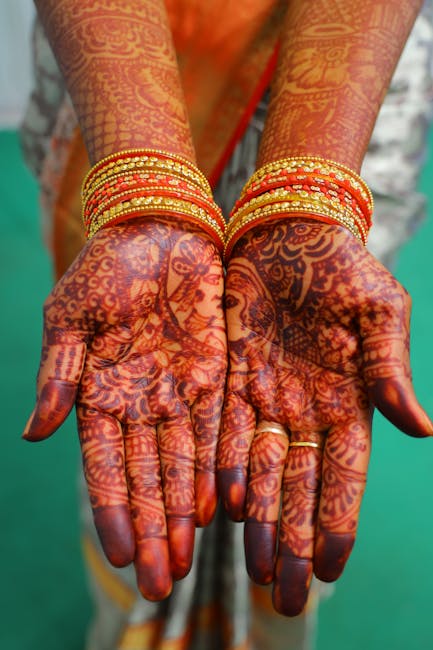
Common Mistakes in Handmade African Symbol Jewelry
- Copying symbols without understanding or respect
- Choosing colors randomly, losing traditional meaning
- Using weak materials, causing pieces to break quickly
- Ignoring scale and proportion, making designs look awkward
- Overcrowding patterns leading to visual confusion
Under the Surface: Engineering Details You Should Know
Understanding how materials behave can make your jewelry last longer and look better:
- Beads: Larger holes help stringing multiple cords, but small holes allow delicate patterns.
- Wood: Needs sealing to prevent cracking and to enhance color.
- Wire: Choose thicker wire for structure and thinner for wrapping and details.
- Thread/Fabric: Use strong, non-fraying threads like nylon or waxed cord.
- Color Selection: Some dyes fade over time—test materials before starting.
